Updates
How Texas Weather Affects Your Flowers & How to Keep Them Fresh
Jan 16, 2025
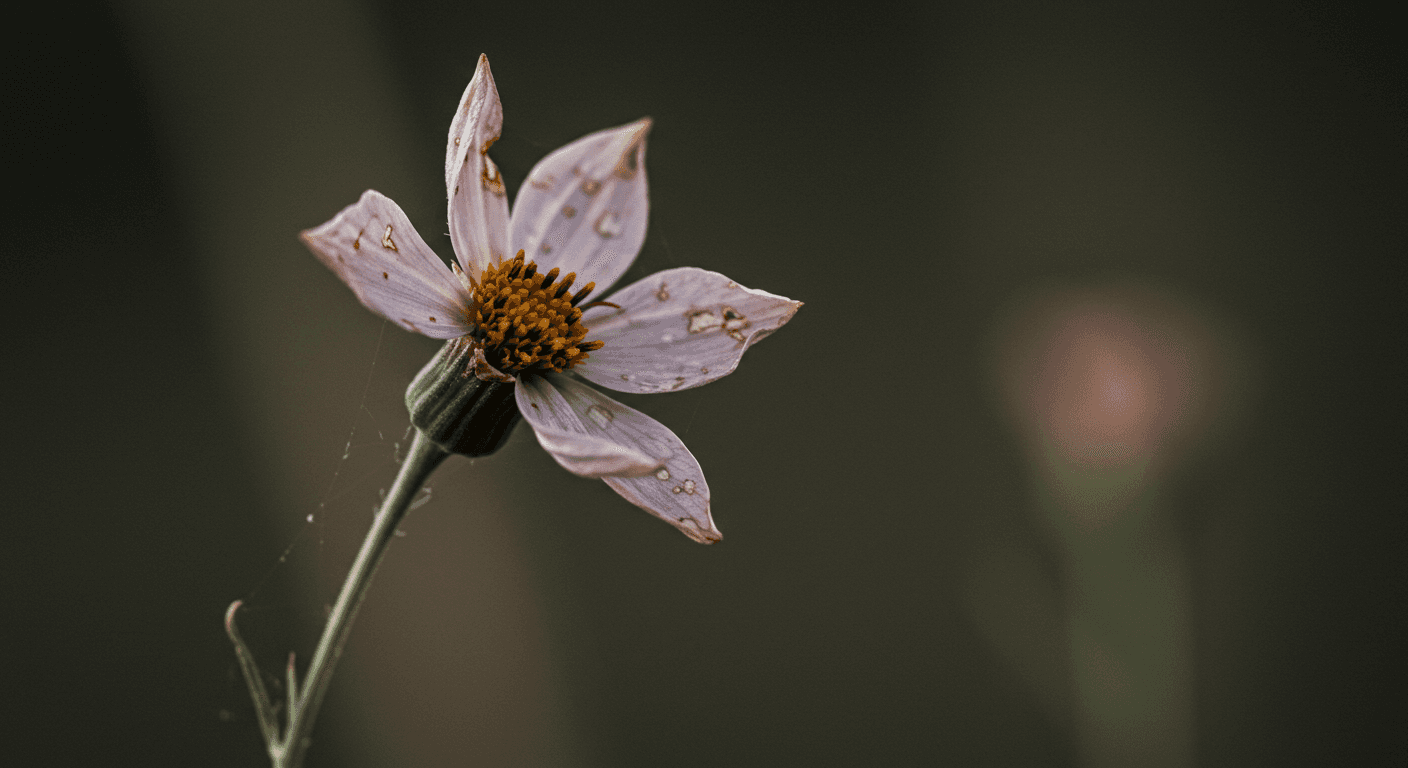
Texas is known for its unpredictable weather—scorching summers, mild winters, and sudden storms. These extreme conditions can take a toll on flowers, making it challenging to keep them fresh and vibrant. Whether you’re a gardener, a florist, or just love fresh-cut flowers in your home, understanding how Texas weather affects your blooms and how to care for them can make all the difference.
The Impact of Texas Weather on Flowers
1. Extreme Heat & Sun Exposure
With summer temperatures often exceeding 100°F, Texas heat can cause flowers to wilt quickly. Prolonged sun exposure can lead to dehydration, faded colors, and burnt petals. Flowers like roses, lilies, and tulips struggle in high heat, while heat-resistant varieties like zinnias, lantanas, and sunflowers thrive.
2. Humidity & Sudden Rainfall
Texas experiences fluctuating humidity levels. While some moisture is beneficial, excessive humidity can lead to fungal infections, mold, and petal decay. Additionally, sudden rainstorms can damage delicate blooms, breaking stems and washing away nutrients from the soil.
3. Cold Snaps & Frost
Though Texas winters are generally mild, unexpected frost can be disastrous for flowers. Tender plants like hibiscus and impatiens suffer in the cold, while hardy flowers like pansies and snapdragons can withstand lower temperatures.
4. Strong Winds & Storms
Frequent storms and strong winds can snap flower stems and scatter petals. Flowers in unprotected areas are particularly vulnerable, making it essential to take precautions during stormy seasons.
How to Keep Your Flowers Fresh in Texas Weather
1. Choose Weather-Resistant Flowers
Opt for flowers that thrive in Texas conditions. Some of the best options include:
Heat-tolerant: Zinnias, lantanas, marigolds, sunflowers
Drought-resistant: Succulents, salvia, black-eyed Susans
Cold-hardy: Pansies, snapdragons, violas
2. Provide Proper Shade & Hydration
Place potted flowers in partially shaded areas to protect them from extreme heat.
Water early in the morning or late in the evening to prevent evaporation.
Use mulch to retain moisture in garden beds and keep roots cool.
3. Protect Flowers from Sudden Weather Changes
Cover delicate flowers with breathable fabric or plant covers when frost is expected.
Move potted plants indoors or to a sheltered location before heavy storms.
Stake tall flowers to prevent them from being uprooted by strong winds.
4. Extend the Life of Cut Flowers
If you love keeping fresh-cut flowers at home, follow these tips to maximize their lifespan:
Trim stems at an angle before placing them in a vase.
Change the water every two days and remove wilting leaves.
Keep flowers in a cool room away from direct sunlight and heat sources.
Add flower food or a mix of sugar and vinegar to nourish the blooms.
Conclusion
Texas weather presents unique challenges for flowers, but with the right knowledge and care, you can keep your blooms healthy and vibrant. Whether you're growing flowers in your garden or displaying fresh bouquets indoors, these tips will help you adapt to the ever-changing Texas climate. Looking for fresh, long-lasting flowers? [Your Flower Business Name] provides premium, weather-resistant blooms for every occasion. Browse our selection today and bring beauty into your home, no matter the season!